


Callaway Wedges: Getting More from Your Short Game
Wedges are often the clubs that have the biggest influence on what happens after a good drive or approach. They need to cover everything from controlled full shots into the green to pitches, chips and bunker shots where feel and versatility become just as important as distance.
Callaway's current wedge range takes several different approaches to those demands. The Opus SP and Opus SP+ focus heavily on spin, control and shot-making, while the CB 12 puts more emphasis on forgiveness. The Quantum Max and Quantum Max OS take a different route again, offering a more forgiving design that integrates naturally with the scoring end of an iron set.
Understanding those differences can make it much easier to work out which Callaway wedge is actually suited to your game.
Callaway Wedges: At a Glance
| Model | Spin | Forgiveness | Best Suited To |
|---|---|---|---|
| Opus SP | High | Moderate | Spin, feel, control and shot-making |
| Opus SP+ | High | Moderate | Extra weighting for increased spin and precision |
| CB 12 | High | High | Golfers wanting a larger, more forgiving wedge |
| Quantum Max | Moderate | High | Forgiveness and consistency to complement an iron set |
| Quantum Max OS | Moderate | Very High | Maximum forgiveness and a larger head profile |
The biggest difference isn't simply comfort versus performance. It's how each shoe creates stability. The Clone is designed to make the foot feel more connected to the shoe, with its adaptive upper and swing-support features working together to create a secure, locked-in sensation. The Halo takes a less aggressive approach, combining a supportive construction and rotational-resistance outsole with the flexibility and comfort you'd expect from a modern spikeless shoe.
In practical terms, that makes the Clone particularly interesting for golfers who notice movement inside their shoes during the swing, while the Halo makes more sense for players who spend several hours walking and want a shoe that remains comfortable away from the course.

Why Do Wedges Matter So Much?

A wedge is not simply a shorter iron. Around the green, relatively small differences in loft, bounce, sole shape and strike can have a noticeable effect on trajectory, spin and how the club interacts with the turf.
That is why choosing wedges purely by distance can be misleading. Two golfers who hit their pitching wedge the same distance may benefit from very different wedges beyond it.
For one player, the priority might be maximum spin and the ability to manipulate the face. Another may want a larger head and more forgiveness when contact is inconsistent. Someone else may simply want their wedges to feel and perform like a natural extension of their irons.
Callaway's range is designed to accommodate all three approaches.
Opus SP: Built Around Spin and Control
The Callaway Opus SP is aimed at golfers who want more control over their short-game shots. Its design places particular emphasis on spin, flight and consistency from different lies.
One of its key technologies is the reworked Spin Pocket, which redistributes mass within the head to raise the centre of gravity. The result is a more penetrating flight designed to help maximise spin and control.
The face also uses Callaway's Spin Gen 2.0 technology. Its 17-degree groove angle, tighter groove spacing and laser-etched cross-hatch pattern are intended to produce consistent friction between the face and ball. That becomes particularly useful when you're playing different types of shots rather than simply hitting full swings.
The Opus SP is also available in several grind options, allowing golfers to choose a sole that better suits their delivery and the conditions they typically play in.
Opus SP+: More Weight Behind the Design
The Opus SP+ takes the same general approach but adds tungsten to push the centre of gravity even higher.
That is intended to produce even more spin and precision while retaining the Tour-influenced shaping of the Opus family.
For golfers who are already comfortable controlling their wedges and want a design that places greater emphasis on spin and precision, the SP+ provides another option within the range.
The important point is that Opus SP and Opus SP+ are not simply different versions for the sake of having more choice. Their weighting and construction give golfers different ways of prioritising performance around the green.
CB 12: When Forgiveness Matters More
Not every golfer wants a compact, highly workable wedge. For many players, the bigger challenge is simply making consistent contact.
That's where the Callaway CB 12 takes a different approach.
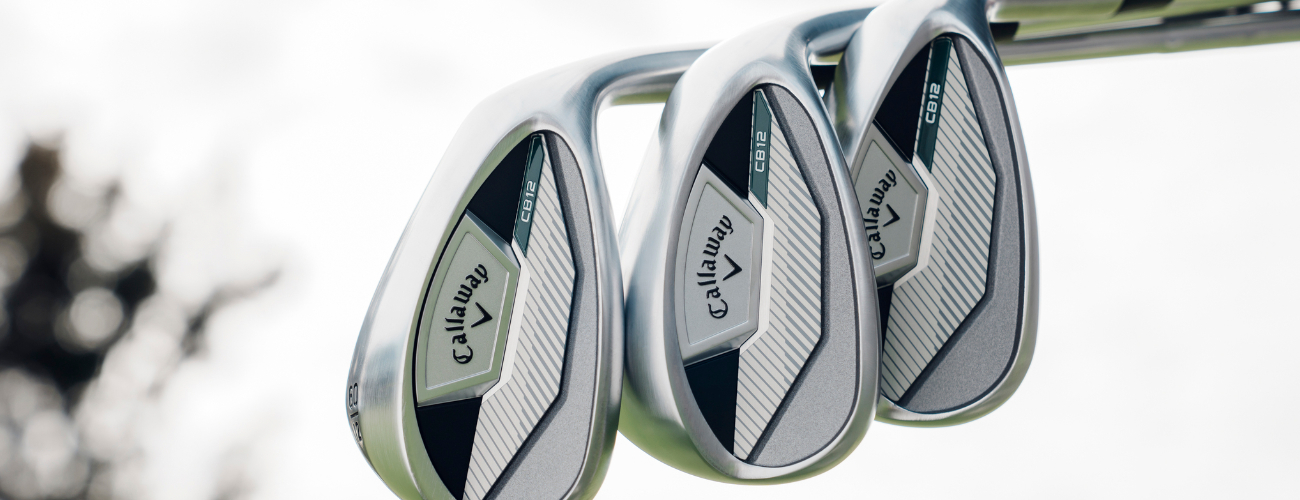
Its deep cavity-back construction and larger head allow Callaway to move more weight towards the perimeter, including 12g of perimeter weighting designed to increase forgiveness. The result is a wedge aimed at maintaining more consistent performance when contact isn't perfect.
The wide Tri-Sole is designed to work across different shots and lies, while the updated OPUS grooves provide the spin characteristics expected from a modern Callaway wedge.
The CB 12 also incorporates Urethane Microspheres to give the head a softer, more responsive feel.
For golfers who want some of the benefits of modern wedge technology without moving into a particularly demanding design, the CB 12 offers a very different proposition from Opus SP.
Quantum Max vs Quantum Max OS
There is also a choice between standard Quantum Max and Quantum Max OS.
The OS model uses a larger head to push forgiveness further, making it particularly relevant to golfers who struggle with consistent strike or simply prefer the confidence of a larger clubhead.
Both models are designed to fill the gap between a pitching wedge and a more traditional sand wedge, so they can be useful for golfers who want their scoring clubs to have a consistent look and performance rather than introducing a completely different type of wedge at the bottom of the bag.

How Should You Choose Your Callaway Wedges?
The best place to start is with the wedges you already carry.
Look at the loft of your pitching wedge and work down from there rather than automatically buying a traditional set of wedge lofts. The aim is to create sensible distance gaps so that you aren't left with one large yardage gap in the scoring area.
Then consider how you tend to play.
If spin and shot-making are your priority, the Opus SP gives you a more specialised wedge design with multiple grind options and a face designed around generating consistent spin.
If you want even more emphasis on spin and precision, the Opus SP+ adds tungsten weighting to raise the centre of gravity further.
If forgiveness is a bigger concern, the CB 12's cavity-back construction and perimeter weighting provide a more forgiving alternative.
If you want your wedges to feel like an extension of your irons, Quantum Max provides a higher-launching, more forgiving design, while Quantum Max OS increases the head size and forgiveness further.

Don't Overlook Loft, Bounce & Grind
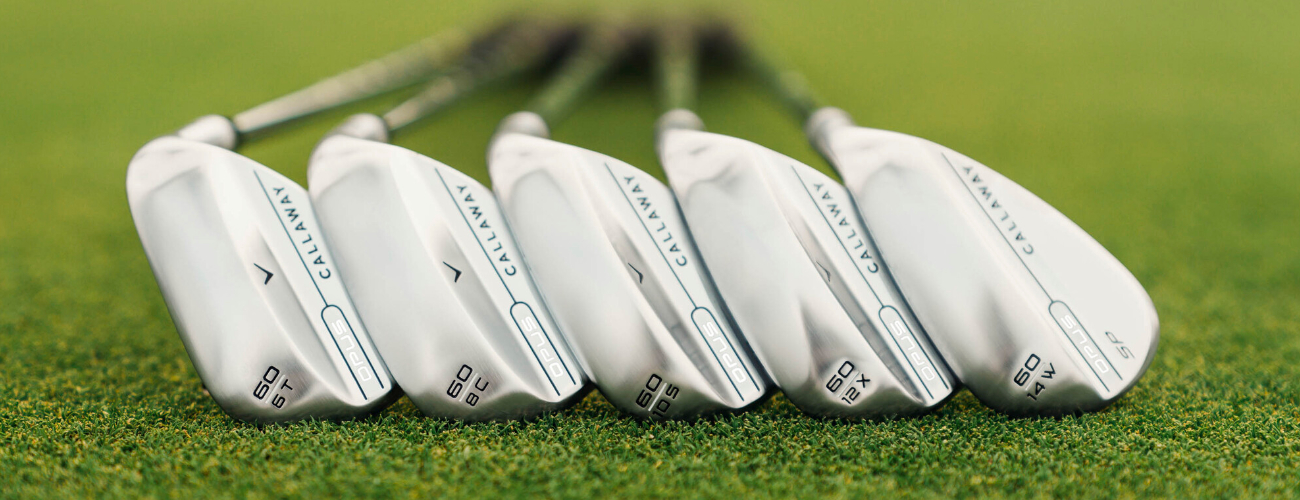
It's easy to become distracted by face technology and forget the two specifications that arguably have the most obvious influence on how a wedge performs: loft and bounce.
Loft determines the basic trajectory and distance relationship between your wedges. Bounce affects how the sole interacts with the ground, particularly through different types of turf and bunker conditions.
Your swing also matters. A golfer who tends to deliver the club steeply may benefit from a different bounce profile from someone who sweeps the ball away from the turf.
That is why there isn't one Callaway wedge configuration that works for everyone. The right setup depends on your existing iron lofts, strike, course conditions and the shots you want to play.
What Difference Does the Wedge Grind Make?
Grind is one of the less obvious factors to consider when buying a wedge, but it can have a significant effect on how the club behaves through impact.
A sole with more bounce can provide additional help when the club is moving through softer turf or when a golfer tends to strike the ground aggressively. A more versatile or relieved sole can make it easier to open the face and play shots where you want to use different parts of the clubhead.
The Opus SP range includes T, C, S and W grinds, as well as the returning X Grind. That gives golfers considerably more scope to match the sole to their technique and preferred shots.
Rather than automatically choosing the same grind across every wedge, it can make sense to think about how you actually use each loft. Your sand wedge, for example, may have a very different job from your gap wedge.

Which Callaway Wedge Is Right for You?
Callaway's current wedge range covers a fairly wide spectrum, which is useful because golfers don't all need the same thing from the bottom of the bag.
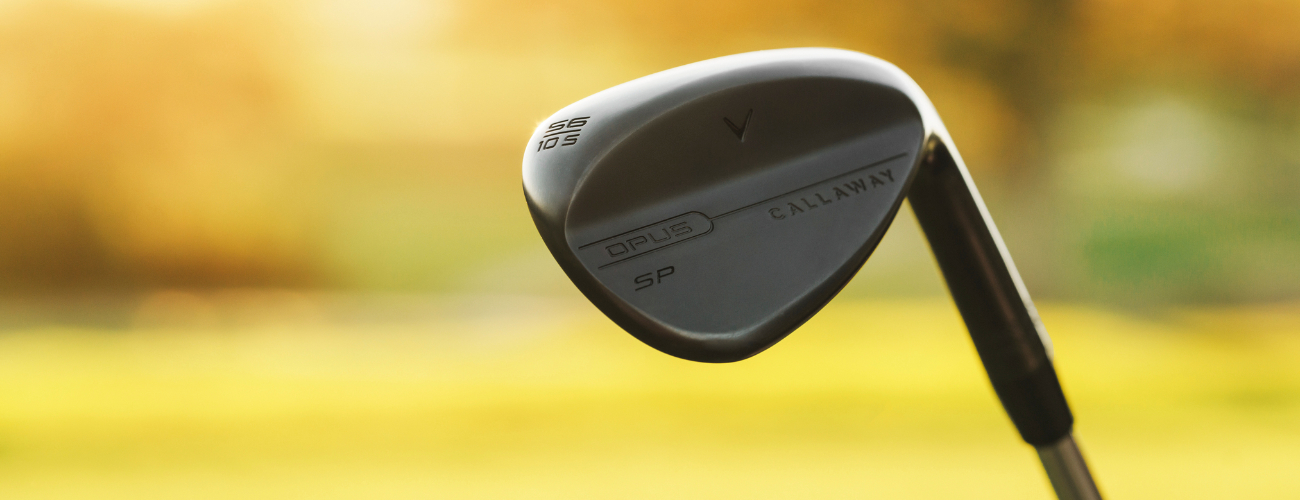
The Opus SP is focused on spin, control and versatility for golfers who want to work on their short game. The Opus SP+ builds on that concept with additional tungsten weighting and an even higher centre of gravity.
The CB 12 moves towards forgiveness, with a cavity-back construction and larger profile designed to provide more help on less-than-perfect strikes.
The Quantum Max and Quantum Max OS take forgiveness and consistency further, particularly for golfers who want a seamless transition from their irons rather than a highly specialised wedge.
Ultimately, the right choice comes down to what you need your wedges to do. If you're trying to improve your scoring around the green, choosing the right combination of loft, grind, bounce and head design can be just as important as the technology stamped on the back of the club.
Frequently Asked Questions
Are Callaway wedges good for high-handicap golfers?
Yes. Callaway offers wedges with different levels of forgiveness, including the CB 12 and Quantum Max designs. Golfers who find traditional compact wedges difficult to strike consistently may prefer a larger, more forgiving head.
Which Callaway wedge is the most forgiving?
Forgiveness depends on the individual model and how you strike the ball, but the Quantum Max OS uses a larger head specifically to provide a high level of forgiveness. The CB 12 also uses cavity-back construction and perimeter weighting to make off-centre strikes more forgiving.
How many Callaway wedges should I carry?
There is no fixed number that works for everyone. Start by looking at the loft of your pitching wedge and work downwards, aiming for useful distance gaps between each club. Your available spaces at the bottom of the bag and the shots you regularly play should also influence the setup.
Does wedge grind really matter?
Yes. The sole shape and amount of bounce affect how the wedge interacts with the turf and how easily you can manipulate the face. Your swing, course conditions and preferred short-game shots should all be considered when choosing a grind.
Should my wedges match my irons?
They don't have to. Some golfers prefer wedges that match their iron set for a consistent feel and forgiveness, while others prefer specialised wedges designed specifically for short-game control. Both approaches are valid depending on how you use the clubs.
What is the difference between Callaway Opus SP and Quantum Max wedges?
The Opus SP is more focused on spin, control and shot-making, with multiple grind options. Quantum Max is designed around forgiveness, launch and consistent performance, making it more closely aligned with the characteristics of a forgiving iron.


